
Video marketing lead generation starts before anyone presses play. It starts with the question sitting in the buyer’s head.
“What does this company do?”
“Is this worth my time?”
“Will this solve the problem I have?”
“What happens if I click the button?”
A good video answers one of those questions at the right moment. That is why some videos bring demo requests, quote forms, and email signups, while others sit on a page looking expensive and doing almost nothing.
The video is not the lead strategy. It is one part of it.
A View Is Not a Lead
A beginner mistake is counting views like they are leads.
They are not.
A view only means someone watched, or at least started watching. A lead is different. A lead is someone who takes a useful next step: fills a form, books a demo, downloads a guide, joins a webinar, replies to an email, asks for pricing, or clicks a CTA that shows real interest.
This is why how video marketing generates leads has less to do with the play button and more to do with what happens after the video.
A good video should leave the viewer with a clearer reason to act.
No next step, no lead path.
Start With the Buyer’s Moment
Do not start by asking, “What video should we make?”
Ask where the buyer is stuck.
A cold visitor may need to understand the problem. A website visitor may need to understand the offer. A pricing-page visitor may need reassurance. A sales prospect may need a product demo. A lead who downloaded a guide may need a follow-up video that explains the next step.
That is a more useful video marketing strategy than making one polished video and trying to use it everywhere.
A single video cannot do the whole job. It should move the viewer one step.
That step might be small. Watching another video. Clicking a feature page. Reading a case study. Booking a call. Small steps still matter.
Think of the Funnel as a Set of Questions
A lead generation funnel sounds technical, but it is really just a set of questions.
At the top, people ask: “Do I have this problem?”
In the middle, they ask: “What are my options?”
Near the bottom, they ask: “Can I trust this company enough to take action?”
Videos can answer those questions in order.
Top-of-funnel videos should teach without pushing too hard. Middle videos should explain the process, show proof, or give examples. Bottom videos should remove doubt and make the next action feel safe.
That is the plain version of video marketing for beginners. Put the right video in the right part of the conversation.
Explainer Videos Help When the Offer Is Not Obvious
Some offers are hard to understand from copy alone.
A SaaS tool with too many features. A healthcare service with a careful process. A fintech product that needs trust. A B2B platform with several user types. A technical service that sounds useful but feels abstract.
That is where an explainer video can help.
It should show the problem, explain the solution, and make the outcome easier to picture. Not the full company history. Not every feature. Not a long list of claims.
Working with an explainer video company can be useful when the business keeps explaining the same thing on calls because the website is not doing enough.
A clear explainer can filter leads too. People who understand the offer before contacting sales usually ask better questions.
Landing Page Videos Should Sit Near the Decision
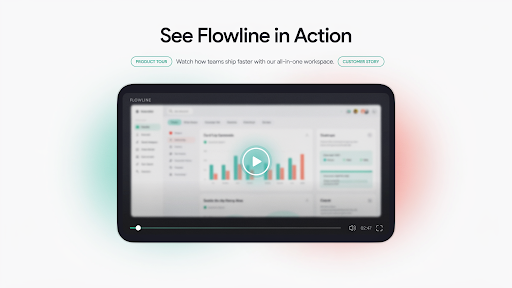
A landing page video should not be added just because the page looks empty.
It has to support the page’s main action.
If the page is built for demo bookings, the video should show why the demo is worth booking. If the page is built for quote requests, the video can explain what happens after the form. If the page promotes a webinar, the video can preview what people will learn.
This is one practical way to use videos to generate leads: place the video close to the decision.
A visitor should not have to scroll through six sections to find the one thing that makes the offer clear. Put the video where the hesitation happens.
That small placement choice can change how the whole page feels.
Educational Videos Warm Up People Quietly
Not every potential lead wants to speak with sales today.
Some are still learning. Some are comparing. Some are not even sure what to call their problem yet.
Educational videos help with that early stage.
A cybersecurity company might explain a common security mistake. A clinic might explain what to expect before treatment. A real estate firm might explain what investors should check before a property decision. A SaaS company might explain why customers fail to complete onboarding.
That is video content marketing doing useful work.
These videos may not create a form fill immediately. That does not mean they failed. They make the brand familiar. Later, when the viewer is ready, the company that explained the problem clearly already has an advantage.
Story Works When the Problem Feels Personal
Features do not always make people care.
Sometimes the viewer needs to see a situation that feels close to their own. A manager chasing updates before a meeting. A patient confused by instructions. A founder trying to understand messy customer data. A support team answering the same complaint every day.
A 2D explainer video company can turn those small situations into simple animated scenes. This works well for healthcare, HR, education, fintech, customer service, coaching, and service brands.
The goal is not to make the video cute.
The goal is recognition.
When the viewer thinks, “That is exactly what we deal with,” the message has a better chance of turning into action.
Demos Are for People Who Are Already Interested
A product demo should not be the first video every visitor sees.
Demos work best when someone has already moved from “What is this?” to “Show me how it works.”
That is why demos are among the best videos for lead generation when used at the right time. They help warmer buyers make a decision.
For software, show one workflow. For ecommerce, show product use, size, texture, or setup. For hardware, show the item doing its main job. For a service, show the process from inquiry to result.
Do not turn the demo into a tour of every feature.
Show the part that proves the product can solve the buyer’s problem. Then give them the next step.
Technical Videos Can Bring Fewer Leads, but Better Ones
Some videos are not made for big view counts.
A technical product walkthrough may only interest a smaller group of people, but that group may be much closer to buying.
Medical devices, machinery, hardware, industrial tools, architecture, and complex product mechanisms often need deeper visual explanation. Buyers may need to see internal parts, movement, assembly, or function before they trust the product.
A 3D explainer video company can show those details in a way flat images and text cannot.
These videos can attract engineers, procurement teams, investors, technical buyers, and product evaluators. The audience is smaller, but the intent can be stronger.
Lead generation is not always about more names. Sometimes it is about better-fit conversations.
SaaS Needs More Than One Video
SaaS companies often try to make one video carry too much.
The homepage video explains the category, the product, the features, the workflow, the integrations, the dashboard, the onboarding, and the pricing logic. By the end, nobody remembers the main point.
A SaaS explainer video company will usually break that into smaller videos.
One homepage explainer for the promise. One feature video for a key workflow. One demo-page video explaining what the call includes. One onboarding video helping new users get their first result. One short sales follow-up video answering a common objection.
That is a stronger video marketing lead generation strategy because each video has one job.
SaaS buyers like to research before talking to sales. Give them videos that answer the questions they actually have.
The CTA Has to Be Clear
A video can explain everything well and still lose the lead at the end.
Why? No clear next step.
A strong video CTA should match the viewer’s stage. An educational video might send them to a checklist. A product demo might invite them to book a consultation. A pricing video might lead to a quote request. A technical walkthrough might invite them to schedule a deeper call.
Avoid soft CTAs when the viewer is ready for something specific.
“Learn more” is fine for early content. But if the person just watched a full demo, “Book your walkthrough” is stronger.
Do not make interested people guess.
Forms Help Only When the Trade Feels Fair
A lead capture form can turn interest into contact details, but only if the timing is right.
Do not hide every video behind a form. Early videos should usually stay open because new visitors need to understand the brand first.
Forms work better for deeper content: webinars, full demos, technical walkthroughs, buyer guides, training sessions, and comparison videos.
The form should match the value. A short video may only justify an email field. A detailed demo may justify name, work email, company, and role.
Do not ask for a phone number too early. That one field can make people stop.
Ask for enough to follow up well. Not everything the sales team wishes it had.
Email and Retargeting Keep People Moving
Video should not live only on the website.
Use email marketing videos after someone downloads a guide, joins a list, asks for information, or books a call. A short video can answer one common question faster than a long email.
Retargeting can help too.
If someone visits a product page but leaves, show them a short video that answers the next likely concern. If they watch an educational clip, send them something deeper later.
That is how a sales funnel video should work. It does not force a sale too early. It keeps the conversation alive until the lead is ready for the next step.
Measure Intent, Not Just Attention
Views are easy to celebrate. They are also easy to misunderstand.
A video can get thousands of views and bring weak leads. Another video can get fewer views and create better sales calls.
Track play rate, watch time, drop-off points, CTA clicks, form submissions, demo bookings, email replies, and lead quality.
That is where video engagement becomes useful.
If people leave after ten seconds, the opening is probably weak. If they watch the whole thing but do not click, the CTA may be unclear. If many leads come in but sales rejects them, the audience or offer may be wrong.
The goal is not just attention. The goal is movement toward a real conversation.
Final Words
When you use video marketing to get leads, make sure that each video answers a real buyer question and shows them what to do next. People are interested in educational videos right away. Explainers clear things up. Warmer leads use demos to make decisions.
Technical videos answer more in-depth questions about buying. Use calls to action (CTAs), forms, email follow-ups, and remarketing to get people to take action. Making one video for one moment in the buying journey and then seeing if it moves people forward is the best way to start.
