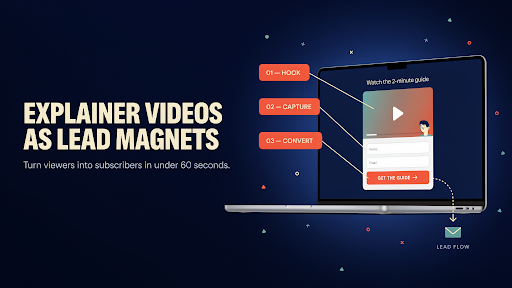
An explainer video lead magnet is not just a normal video with a form placed in front of it. That is where many campaigns go wrong. A visitor does not give an email because your team made a video. They give it because the video promises something useful enough to trade for.
That difference matters.
A company story video will rarely work as a lead magnet. A short video that helps someone solve a problem, compare options, prepare for a buying decision, or understand a process has a much better chance.
The video has to earn the lead before the form asks for it.
Start With a Problem People Already Care About
A lead magnet should not feel like a locked sales pitch.
If the video opens with “Who we are” and “Why we are different,” most people will leave. They were not looking for your brand history. They were looking for help.
Start with a problem that is already sitting in the viewer’s mind.
A SaaS team may care about onboarding drop-offs. A clinic may need to explain treatment steps to nervous patients. A fintech brand may want to help buyers compare payment tools. A real estate firm may need to explain what investors should check before choosing a project.
That is a better base for a lead magnet strategy. The video gives value first. The brand earns attention after.
Make the Promise Specific
A weak lead magnet says, “Watch our explainer video.”
A stronger one says, “See the three onboarding mistakes that make new users quit.”
Now the viewer knows what they will get.
Specific promises work better because people are busy and skeptical. They do not want vague learning. They want a useful answer.
This is where video lead generation becomes practical. The video is not just there to look professional. It has a job. It should teach one thing, explain one process, or remove one serious doubt.
For example:
“Watch how to compare vendors before booking a demo.”
“See how the system works from request to delivery.”
“Learn what your team should fix before switching platforms.”
“Get a 5-minute breakdown of the buyer journey.”
That is the kind of wording that makes a form feel less annoying.
Do Not Gate the Wrong Video
Not every explainer video should be gated.
A homepage explainer should usually stay open. A simple product overview should stay open. A short social clip should stay open. Those videos help people understand the basics, and hiding them too early can damage trust.
A lead magnet should go deeper.
Think of a buyer guide, a product walkthrough, a short training video, a comparison explainer, a recorded session, or a practical checklist-style video. That kind of gated video content can work because the viewer gets more than a basic introduction.
An animated explainer video company can help shape the video so it feels like a useful asset, not a commercial trapped behind a form.
The simple rule: keep first-touch videos open. Gate the videos that answer deeper questions.
Build a Landing Page That Does Not Oversell
A lead magnet landing page should be clear, not loud.
The visitor needs to know what the video covers, who it is for, and why it is worth watching. That does not require a long page.
A good landing page video setup might include a direct headline, two or three lines of explanation, a few points about what the viewer will learn, and a short form.
Do not write six paragraphs before the form. Do not stuff the page with every benefit. Do not make the visitor work too hard.
If the video is useful, the page should make that usefulness obvious quickly.
A landing page for “How to Reduce SaaS Onboarding Drop-Offs” does not need to explain the entire product. It needs to prove that the video will help the right person solve one painful issue.
Keep the Form Light Enough
A lead capture form is where good lead magnets often lose people.
The video may sound useful, but then the form asks for name, work email, phone number, company size, budget, timeline, job title, country, and a message.
That feels like paperwork.
For a short video, ask for less. Name and email may be enough. For a serious demo or technical walkthrough, work email, company, and role may be fair. For a consultation request, more fields can make sense because the person is asking for direct help.
The form should match the value of the video.
This affects conversion rate more than many teams expect. One extra field can be enough to make someone think, “Not now.”
Ask only for what you need to follow up properly.
Example: A SaaS Onboarding Lead Magnet
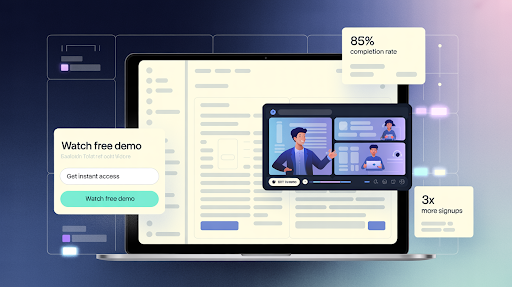
Here is a practical example.
A SaaS company wants better demo leads. Instead of gating a generic product overview, it creates a video called “Why New Users Drop Off Before Activation.”
The video walks through three common onboarding gaps, shows what those gaps look like inside a product journey, and gives the viewer a simple way to check their own flow.
That is one of the best video lead magnets for SaaS because it starts with the buyer’s pain, not the product pitch.
A SaaS explainer video company can make this stronger by mixing simple UI scenes, short workflow visuals, and plain scriptwriting that speaks to product managers or customer success teams.
The lead is more useful because the viewer has already shown interest in a specific business problem.
Example: A Technical Product Walkthrough
Some products cannot be explained properly with a few photos and a paragraph of copy.
Medical devices. Industrial equipment. Hardware systems. Machines. Product mechanisms. Architecture concepts. Complex installations.
For these, a gated technical explainer can be valuable.
A 3D explainer video company can show internal parts, movement, assembly, depth, and product function in a way flat images cannot. A video called “See How the System Works From the Inside” may be worth a short form if the viewer is a serious buyer.
This can help with B2B lead generation, especially when the audience includes engineers, procurement teams, investors, distributors, or technical decision-makers.
The gate works because the video gives access to information the viewer cannot easily get elsewhere.
Example: A Human Problem Video
Not every lead magnet has to be technical.
A service brand can use a video to explain a painful situation. An HR platform might create a gated video called “How to Handle Employee Feedback Before It Turns Into Conflict.” A healthcare provider might create one around patient preparation before a procedure. A finance brand might explain common mistakes before applying for business funding.
A 2D explainer video company can make these topics feel more human through characters, simple scenes, and relatable moments.
This works when the viewer needs to feel understood before they trust the solution.
These are useful explainer video lead magnet examples because they do not start by saying, “Here is our service.” They start by showing a real problem and helping the viewer handle it better.
Example: A Buyer Comparison Video
Some leads are not ready to buy yet, but they are close enough to compare.
That is a good moment for a comparison-style lead magnet.
A video like “What to Check Before Choosing a Video Production Partner” or “How to Compare SaaS Vendors Without Getting Lost in Feature Lists” can work well because it helps the buyer make a smarter decision.
This kind of video is useful because it sits between education and sales. It gives the viewer a framework. It also positions the brand as helpful before a sales call happens.
The best explainer video examples do not feel like a pitch in disguise. They give the viewer something they can use.
Use the Video in More Than One Place
A lead magnet should not sit quietly on one landing page.
Promote it through blog posts, LinkedIn posts, email campaigns, paid ads, retargeting, sales follow-ups, and website banners. A blog can explain the topic broadly and then offer the video as the deeper version. A LinkedIn post can share one strong idea from the video and point people to the full breakdown.
That is how to use explainer videos as lead magnets without depending on one traffic source.
The video should have multiple entry points. Different people will find it at different stages.
A cold visitor may come from an ad. A warmer lead may come from a blog. A sales prospect may get it in an email. Same asset, different context.
Follow Up Like You Paid Attention
The lead magnet is not finished when someone fills the form.
That is where many brands waste the opportunity.
If someone watches a SaaS onboarding video, do not send them a generic company brochure. Send something related to onboarding. If they watch a technical product walkthrough, send a use-case video or implementation guide. If they watch a buyer comparison video, send a case study or checklist.
This is how to turn video viewers into leads that sales can actually talk to.
Watch behavior matters too. Someone who watches the full video is warmer than someone who leaves after 30 seconds. Treat those people differently.
A form gives you contact details. Viewing behavior gives you context.
Test the Offer Before Blaming the Video
If the lead magnet is not converting, the video may not be the problem.
The title may be too soft. The landing page may not explain the value. The form may ask too much. The CTA may sound boring. The audience may be too broad.
Test those pieces.
Try a sharper title. Try a shorter form. Try a different thumbnail. Try a stronger CTA than “Submit.” Try “Watch the Free Breakdown” or “Get the 5-Minute Guide.”
Lead magnets are small systems. The video matters, but the offer around the video matters just as much.
Make It Useful Enough to Remember
A good lead magnet should leave the viewer with something they can use.
A checklist. A simple framework. A mistake to avoid. A process to follow. A question to ask before buying.
That is what makes the video feel worth the email.
Too many gated videos talk about the brand for too long and teach too little. That is why people stop trusting gated content.
Teach first. Sell lightly. Make the next step obvious, but do not turn the whole video into a pitch.
Final Words
An explainer video lead magnet works when the video gives people a real reason to share their details. Keep basic homepage and product videos open. Gate deeper content that teaches, compares, demonstrates, or solves a specific problem.
Build a focused landing page, keep the form fair, and follow up based on what the viewer actually watched. The goal is not just email list building. The goal is to attract people who care enough about the topic to become real leads.
