Types of Explainer Videos and How to Pick the One For Your Brand
2026-04-09T18:15:18
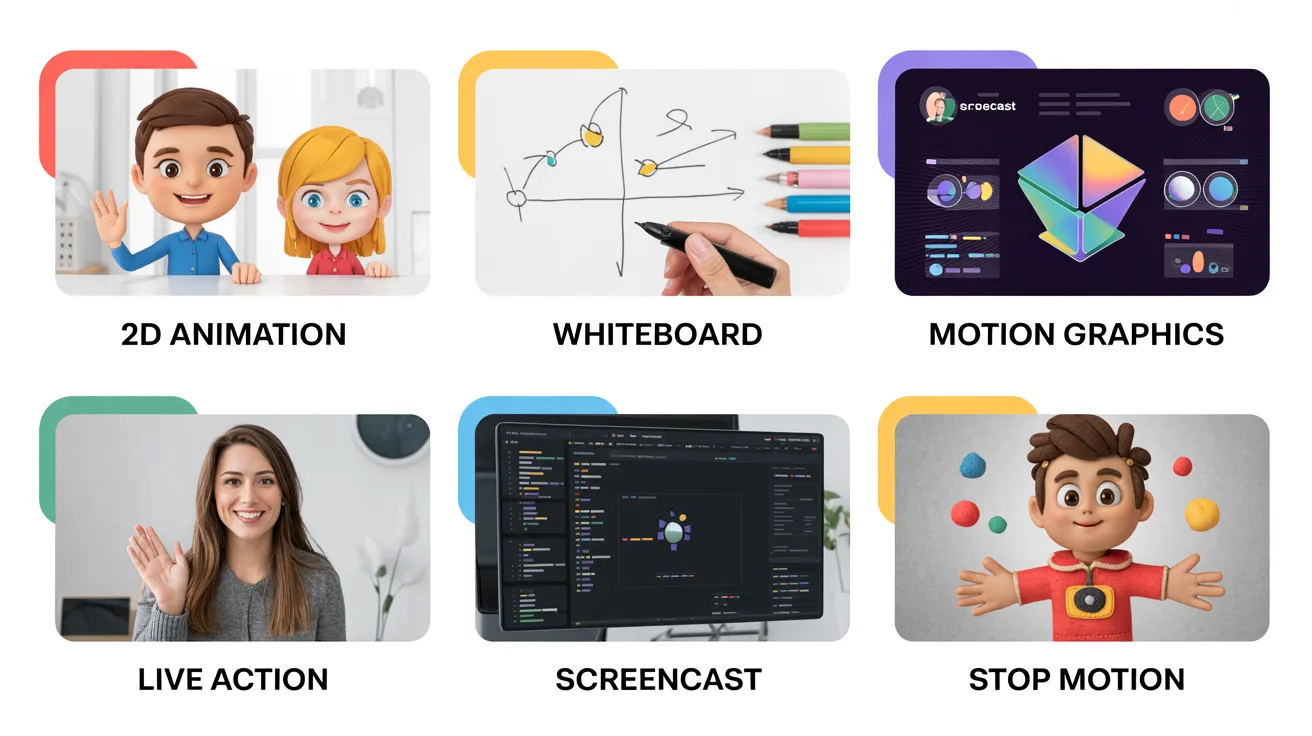
Table of Contents
The best types of explainer videos are not “best” because they look expensive or trendy. They work because they match the job. That sounds obvious, but this is where a lot of teams go wrong. They start with style.
They say they want animation, or something slick, or something modern. Fine. But none of that answers the useful question: what does the viewer need to understand, and what format will make that easiest? Until that part is clear, the rest is guesswork.
That is why some videos feel right straight away, while others look polished and still do not do much.
Most Businesses Pick a Format Too Early
This happens more than people admit.
A team decides they need video, then the discussion jumps straight to visuals. Should it be animated? Should it feel cinematic? Do we want a voiceover? Do we want it to look more premium? Those are not bad questions. They are just not the first questions.
The first question is simpler: what is this video supposed to solve?
If people do not understand the product, that is one kind of problem. If they understand it but do not trust it yet, that is another. If they already trust it and just need to see how it works, that is another again. Once you know the job, the format gets easier to choose.That is also why it helps to be clear on what is an explainer video before choosing a style. It is not just “a short branded video.” It is a communication tool. If the communication problem is fuzzy, the creative choices usually get fuzzy too.
Animated Explainer Videos
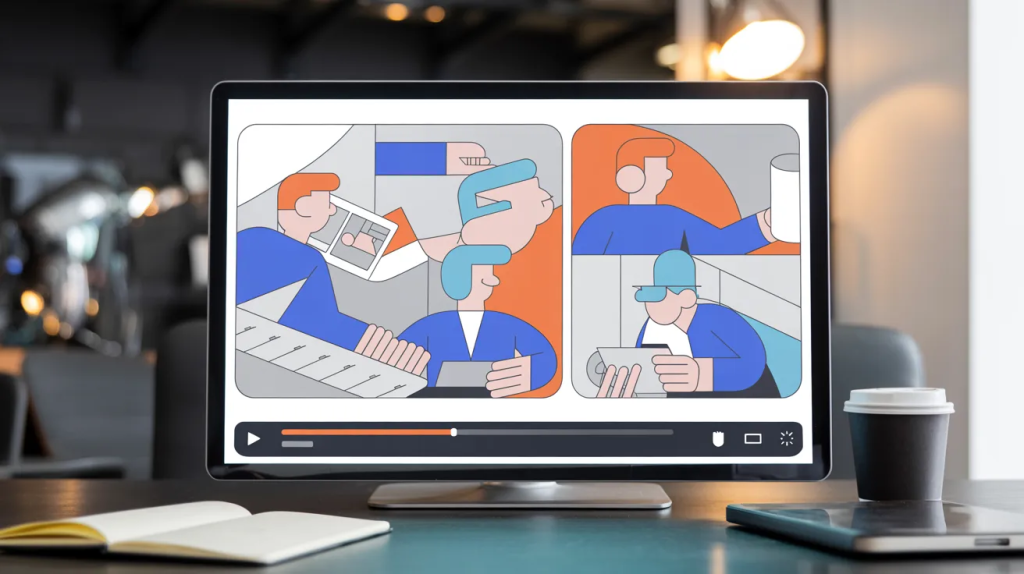
This is still the default option for a lot of brands, and there is a reason for that. Animated explainer videos are flexible. They can simplify complex ideas, control pacing, and keep attention on the point instead of the background details.
That makes them useful for:
- software products
- abstract services
- startup ideas that need framing
- process-heavy offers
- homepage explainers
Animation is especially handy when the thing you are explaining is not easy to film. A platform. A workflow. A system. A concept. These are not always visually strong in real life, but animation gives you more control over what people see and when they see it.
The catch is that animation can also become generic very quickly. A weak script covered in smooth visuals is still a weak script.That is why a good explainer video agency is not just there to “make it animated.” The real value is in deciding what should be shown, what should be trimmed, and what the viewer actually needs first.
Motion Graphics Videos
Some businesses do not need characters, story scenes, or anything too illustrative. They just need clarity with some pace to it. That is where motion graphics tend to work well.
This format leans on movement, text, icons, diagrams, UI fragments, charts, and transitions rather than character-driven storytelling. It often feels cleaner and sharper, especially in B2B.
If the message involves steps, systems, timelines, or data, motion graphics can be a better fit than trying to turn everything into a miniature narrative. It feels less forced.A lot of brands turn to motion graphics design services when they want the video to feel modern and structured without making it too playful or too stiff. It is a good option when the message needs visual organization more than emotional storytelling.
Whiteboard Explainer Videos

Whiteboard explainer videos are older, yes, but not useless.
They still work when the message is educational and the audience mainly needs a simple path through the idea. The drawing style gives people something easy to follow. It reveals information in sequence, which can be helpful when the subject feels crowded or unfamiliar.
That said, this format is not always the right call for brands that need a more current or premium look. Whiteboard can feel too plain for some categories. It is strong when simplicity is the selling point, not when visual sophistication matters.
So no, it is not outdated by default. It just has a narrower lane now than it used to.
Kinetic Typography Videos
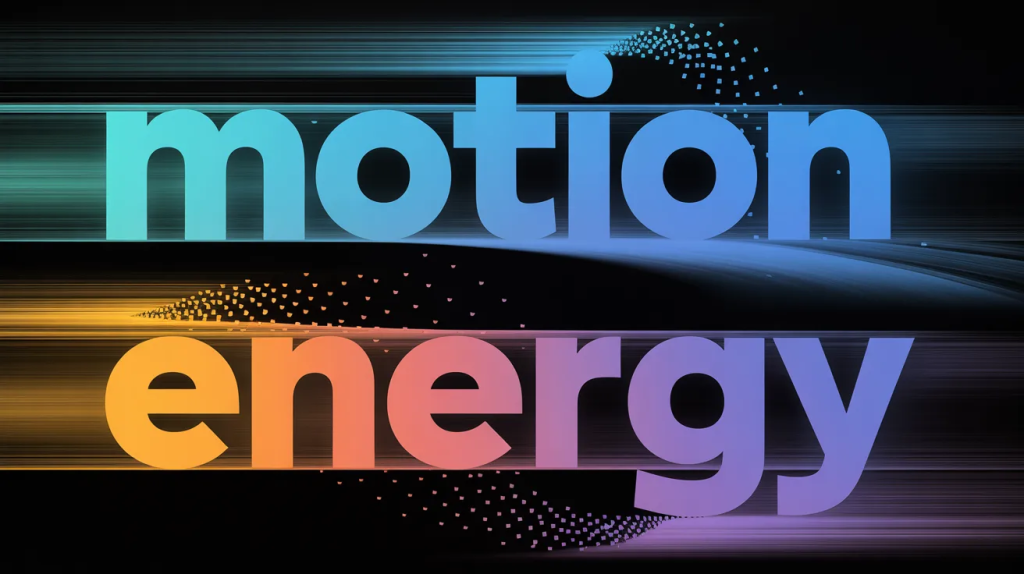
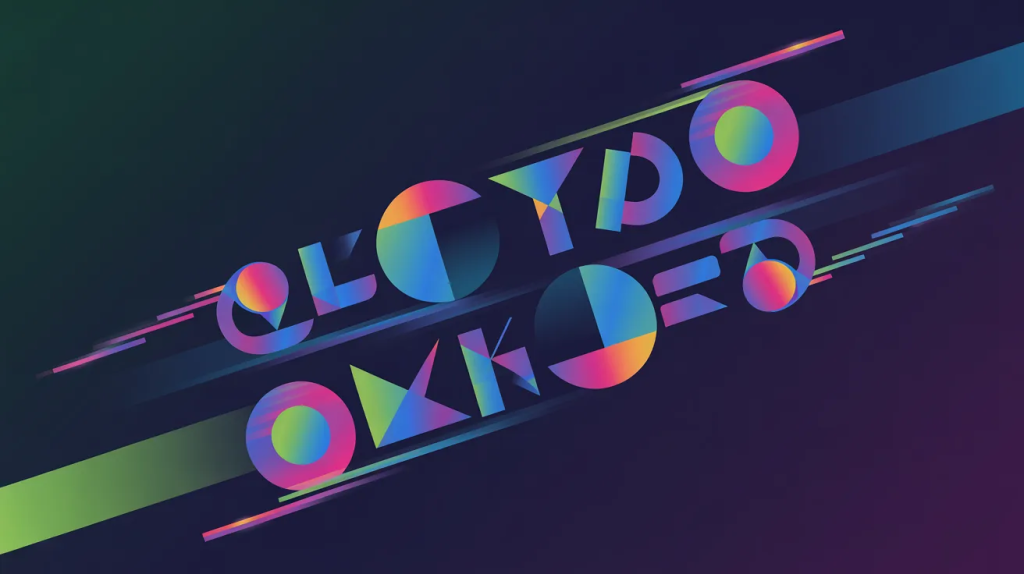
This style gets underestimated because it looks too simple on paper.
But kinetic typography can be very effective when the script is strong and the message needs punch. Text in motion can create speed, emphasis, and rhythm without needing a more elaborate visual world around it.
It works especially well for:
- ad-style explainers
- short launches
- message-led brand videos
- social cuts
- videos built around one strong claim
If the wording is doing a lot of the work, this format can sharpen it instead of distracting from it. If the wording is weak, though, this style exposes that very quickly. There is less to hide behind.
Live-Action Explainer Videos

Sometimes the strongest thing a brand can show is a real person.
Live-action explainer videos usually work best when trust, personality, or physical demonstration matter more than abstraction. Service businesses often benefit from this. So do products that need to be seen in real hands or real environments.
A live-action video can make a company feel more grounded. More direct. Less distant.
That is useful for consultants, healthcare services, education brands, agencies, coaches, some B2B offers, and physical products. It is also useful when a founder or team member helps carry trust better than a polished voiceover ever could.
But live action is not automatically more “human.” A badly scripted live-action video can feel even more forced than a stiff animated one. Real faces do not solve vague messaging.
Product Demo Videos
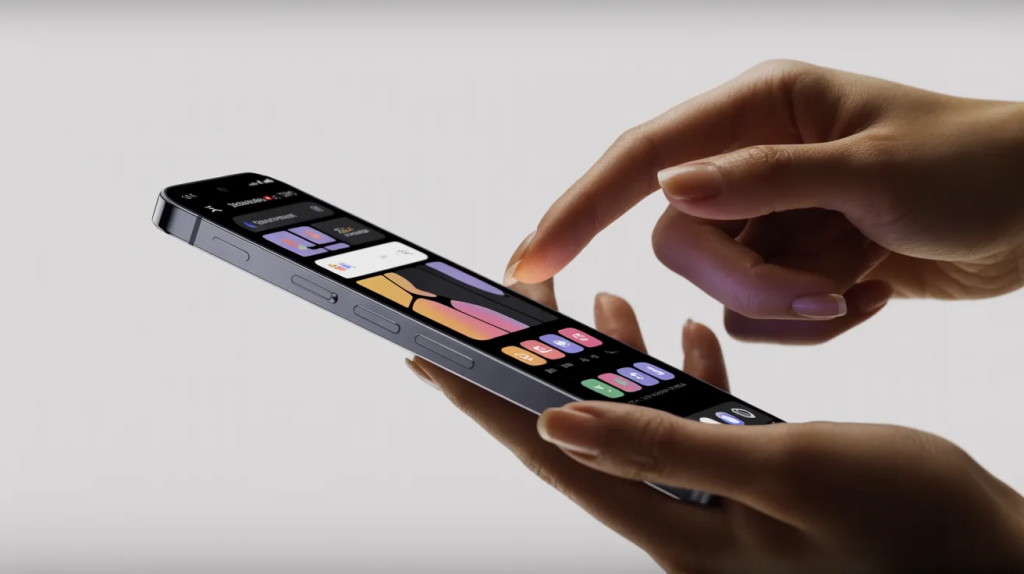
This is the format people should choose more often when the buyer is already interested.
Product demo videos are less about introducing the idea and more about proving the thing works. They show use, flow, result, setup, interface, or functionality in a more direct way. That makes them especially useful lower down the funnel.
They are strong on:
- product pages
- sales pages
- comparison pages
- onboarding sections
- demos used by sales teams
This is also where the importance of video for a product page becomes hard to ignore. Photos and bullets do not always answer the real question in the buyer’s head. A demo often does. It lets them picture the product in use, not just in theory.
For software, demos can overlap with walkthroughs. For physical products, they often focus on use, handling, or outcome.
Screencast Explainer Videos
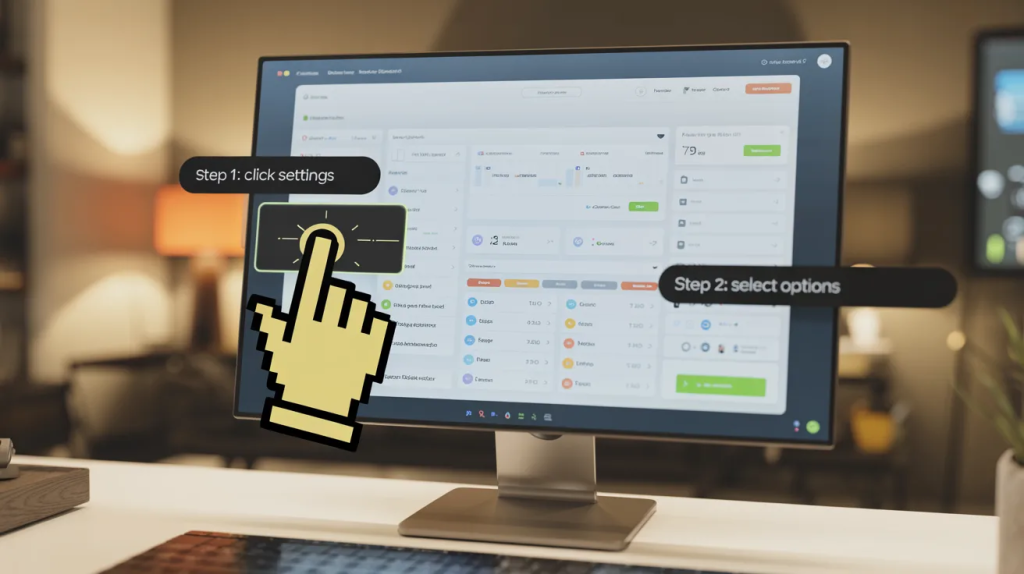
For software, screencast explainer videos are one of the most practical options available.
They do not try to reinvent the product visually. They show the real interface. That alone can make them more useful than a broader explainer when the audience already wants specifics.
This style works well for:
- SaaS products
- platform tours
- onboarding
- support content
- feature education
It is common in SaaS explainer video production because people often need to see the workflow, not just hear about the benefits. A screencast can show where to click, what happens next, and how simple or involved the process actually is.
It is also usually more budget-friendly than a bigger animated build, which makes it a sensible option for growing software teams.
So Which Format Should You Choose?
Here is the simpler version.
If the product is abstract, animation usually makes sense.
If the message is structured and system-heavy, motion graphics may be the better call.
If the service depends on trust and real people, live action can work well.
If buyers need to see the product in use, choose demos or screencasts.
If one specific capability needs more explanation, use a feature breakdown.
If users need help taking the next step, build a tutorial.This is also the stage where how to write an explainer video brief becomes a real business question instead of a process question. If the brief does not define the job properly, teams often choose the wrong format for the wrong reason.
Budget Matters, but Not in the Lazy Way
Budget obviously affects the decision. That is real.
But it should not be the only thing driving it. The cheapest option is not always the smartest. Neither is the most elaborate one. Some brands overspend on visuals when the message still is not clear. Others choose a cheaper route that cannot carry the explanation properly.
There are times when a 2D animation explainer video company is exactly the right fit because the message needs control and clarity more than visual realism.
There are other times when 3D explainer video services earn the extra spend because the product needs depth, spatial detail, or technical visualization.
The better question is not “what looks impressive?” It is “what makes this easier to understand?”
That is the one worth paying attention to.
Frequently Asked Questions
Final Words
The best types of explainer videos are the ones that match the real communication job in front of them. That is it. There is no universal winner. Animated videos, motion-led formats, live action, demos, screencasts, tutorials, and testimonials all work in different situations.
The mistake is choosing by trend, habit, or personal taste before you understand what the audience actually needs. Once that part is clear, the format decision gets much easier, and the video has a far better chance of doing something useful.

evadmin
Expert contributor to the Explainer Video Company blog.