

Tech explainer videos work best when they do one thing clearly: make a complicated product feel understandable before the viewer loses interest. That matters because tech buyers usually are not short on options. They are short on patience.
If your product takes too much effort to understand, people move on. A good video helps by compressing the message into something faster, clearer, and easier to follow.
A lot of tech brands still treat video like a finishing touch. Something to add once the homepage is written, the product page is live, and the sales deck is done. That is usually the wrong order. In tech, the explainer is often the first real bridge between what the company built and what the audience can actually grasp.
Why Tech Products Need More Than Good Copy
Most tech teams are too close to their own product. They know the workflow, the edge cases, the setup logic, the integrations, and the jargon. So when they explain it, they often explain from the inside out.
Buyers do not think that way.
They want the outside-in version first. What is this? What problem does it solve? Why would I care? What changes once I use it?
That is one reason tech companies need explainer videos more than they sometimes realize. A strong explainer does not replace documentation, demos, product pages, or sales calls. It gets the viewer far enough that those things can actually work.
This problem shows up across the board. Software tools. cloud platforms. AI products. cybersecurity services. developer tools. infrastructure products. They all get harder to explain the moment the company tries to say everything at once.
What Makes a Tech Explainer Different
A tech explainer is not there to sound impressive.
That is where a lot of them go off track.
Plenty of business videos sound polished but still leave the viewer with the same question they had at the start. What does this actually do? A tech explainer has to reduce that confusion. It has to shorten the distance between “this sounds complicated” and “okay, now I get it.”
That is why storytelling in tech explainer videos matters. Not because every brand needs some emotional cinematic arc. It matters because viewers need a simple frame. A problem. A broken workflow. A pain point. A before-and-after. Something they can follow without doing all the work themselves.
That is also where a strong explainer video company actually proves its value. Not by making the product sound bigger. By deciding what needs to land first and what can wait.
Animated or Live-Action Is the Wrong First Question
A lot of teams jump straight into the format.
Should it be animated or live-action? Should it look sleek? Should it feel futuristic? Should it be cinematic?
Those are not useless questions. They are just early.
The better question is this: what is actually hard to explain here?
If the problem is abstraction, animation probably helps. If the product is physical or trust-heavy, live action may help more. If the interface itself is the product, screen-led content might be the better route. But the format only makes sense once the communication problem is clear.
That is why it helps to understand the broader types of explainer videos before choosing style references. The format should follow the job. Otherwise, you end up with a nice-looking video that still leaves the audience doing mental labor.
Where Tech Explainers Help
The homepage is the obvious place, sure. But that is only one use.
A good explainer can support:
- Landing pages
- Demo requests
- Investor conversations
- Outbound sales follow-up
- Product launches
- Feature education
- Onboarding
- Product pages
This is also why more brands now incorporate explainer videos into multiple stages of the funnel instead of treating one video like the whole strategy. One broader overview can introduce the product. A second video can support feature understanding. A third can reduce friction after signup. That usually works better than forcing one asset to carry the entire product story.
Product Explainers and Process Explainers Are Not the Same
These two get mixed up constantly.
Product explainer videos focus on what the product is, how it helps, and why someone should care. They sit closer to marketing and conversion. Their job is to make the offer feel understandable.
Process explainer videos do something different. They show how a workflow operates, how information moves, how a setup happens, or how a system behaves behind the scenes. These are useful when the mechanism itself is part of the value.
The mistake is combining both too early.
If the buyer still does not understand the core product value, a process-heavy video can bury them fast. If they already understand the value and want confidence in how the product works, the process video becomes far more useful.
That is why a well-crafted tech explainer video usually chooses its lane. It does not try to be the homepage pitch, the workflow guide, the feature walkthrough, and the onboarding asset all at once.
Why SaaS Brands Lean on Explainers So Hard
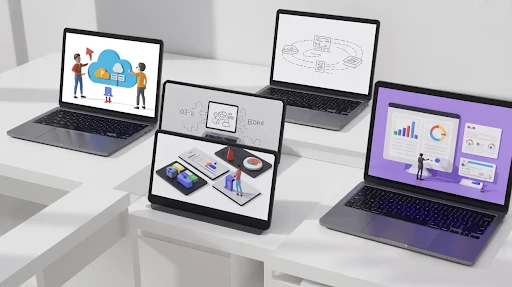
Software products are easy to oversell and easy to undersell at the same time.
A site says the platform is flexible, powerful, scalable, and built to streamline operations. Fine. But what does that actually mean for the person using it? What changes in their day? What gets easier? What gets less frustrating?
That is why SaaS explainer videos work when they stay disciplined. They do not throw the whole dashboard at the viewer. They narrow the point. They show the friction. Then they show the shift.
A lot of brands looking for Saas explainer video services are really trying to solve that translation problem. They are not struggling to build features. They are struggling to explain value in a way that feels quick, believable, and easy to absorb.
Trust Matters More Than Some Tech Teams Think
Tech buyers are not only evaluating features. They are evaluating risk.
Will this tool be annoying to adopt?
Will my team actually use it?
Is implementation going to be messy?
Does this company know how to explain itself clearly?
Am I buying into something useful or just something dressed up well?
That is where the benefits of tech explainer videos go past engagement. A good explainer can lower uncertainty. It can show that the company understands the buyer’s problem and respects the buyer’s time.
People notice when a company cannot explain its own product cleanly. They may not say it out loud. They just hesitate.
The First Video Should Not Try to Do Everything
This is where a lot of projects start getting bloated.
The team wants the first video to explain the whole platform, all the user types, the feature stack, the integrations, the product story, and the brand at the same time. That is how something promising turns into something crowded.
A better first video is narrower.
One product.
One pain point.
One major shift.
One next step.
That matters especially before you move into onboarding explainer videos or deeper educational content. If the buyer still does not understand the core offer, they are not ready for a guided setup sequence yet.
Style Matters, but Only After the Message Is Clear
This is where teams often get distracted.
They debate whether the video should feel premium, minimal, bold, or futuristic before they have agreed on the explanation itself. That is backward. The stronger move is to figure out what the viewer is struggling to grasp, then choose the format that clears that up with the least friction.
A lot of the time, 2D explainer video services make the most sense for tech because they keep the message flexible. They are good at simplifying workflows, abstract products, interfaces, and category education without making the piece feel too heavy.
Then there are situations where 3D explainer video services really earn their place. Hardware. layered systems. products with interiors or physical components. anything where depth and structure are part of the explanation. That is when the extra detail is doing real work.
The audience does not care which style sounded fancier in the planning meeting. They care whether the product finally makes sense.
Live Action Has a Place Too

Tech brands lean heavily on animation, and sometimes that is right. But there are cases where live-action explainer videos make more sense.
That usually happens when trust is the bigger issue than abstraction. Maybe the company needs to show the people behind the product. Maybe the setting matters. Maybe the audience does not need a metaphor. They need a real person speaking plainly.
That is where live action can help. A founder. A team member. A customer. A real environment. Those things can make a product feel less like a floating tech claim and more grounded in something real.
Still, live action is not automatically more human. A stiff script is stiff no matter who is on camera.
One Video Is Rarely the Whole System
This is something tech brands learn a bit late.
The first explainer is not supposed to carry the entire company forever. It is an entry point. Not the whole library.
One video may introduce the product.
Another may explain a feature.
Another may help with signups.
Another may support retention.
That is usually when creating a tech explainer video starts making more sense strategically. You stop asking one asset to do every job and start building a cleaner explanation system instead.
Onboarding Videos Quietly Do a Lot of Heavy Lifting
Many tech brands pour energy into acquisition and then get surprisingly thin after the user signs up.
That is a mistake.
If the product still feels confusing after purchase, the win is not as strong as it looked. This is why onboarding explainer videos matter so much. They cut early friction. They show people where to begin. They stop the user from landing in a dashboard and wondering what now.
This is often where a well-produced tech explainer video earns more trust than a flashy launch piece. The user is no longer just judging the promise. They are judging whether the company actually helps once they are inside.
That lands harder than people think.
Tech Videos Need Better Distribution Thinking
A strong video can still underperform if the setup around it is weak.
That is one reason SEO video marketing matters for tech brands that want more than a few nice views. If a video is supposed to support search, it needs a proper landing strategy, supporting page copy, captions, or transcripts where they help, and a page structure that gives the asset context. A floating embed on a weak page is usually not enough.
This does not mean every video needs a giant SEO rollout. It means the good ones should not be treated like isolated files with no plan attached.
A Good Tech Explainer Feels Edited, Not Stuffed
You can usually tell when a team never made the hard cuts.
Another feature. Another claim. Another user type. Another workflow. Another benefit. It keeps going, and the viewer keeps losing the thread.
A stronger explainer feels edited. It knows what belongs in the first explanation and what should wait. It respects the fact that the viewer is trying to make a basic decision before they are ready for the whole product map.
That is often the difference between a forgettable video and one that actually works.
Frequently Asked Questions
Final Words
Tech products usually lose people in one of two ways. They either explain too much too soon, or they explain the wrong thing first. That is why tech explainer videos matter. A good one gives the viewer a way in. It makes the product feel easier to follow, easier to trust, and easier to remember. It does not try to cram the whole company into ninety seconds.
It just gets the right point across at the right stage. When that happens, the rest of the marketing starts working harder too.
Related Articles: